
Introduction
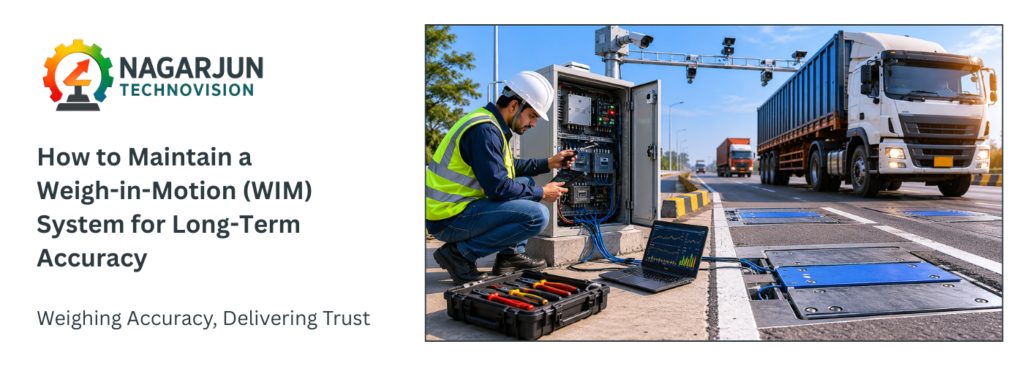
A Weigh-in-Motion (WIM) system is a critical component of modern transportation infrastructure, enabling the measurement of vehicle weights without requiring vehicles to stop. WIM systems are widely used on highways, toll plazas, logistics hubs, mining sites, and industrial facilities to monitor axle loads, detect overloaded vehicles, and collect valuable traffic data.
However, like any precision measurement equipment, a WIM system requires regular maintenance to ensure long-term accuracy and reliability. Even minor issues such as sensor wear, pavement deterioration, environmental conditions, or calibration drift can significantly impact weighing performance.
This guide explains the essential maintenance practices that help keep a Weigh-in-Motion system operating accurately for years while minimizing downtime and costly repairs.
Why WIM System Maintenance is Important
A properly maintained WIM system offers several benefits:
- Consistent and accurate vehicle weight measurements
- Reduced operational downtime
- Improved regulatory compliance
- Longer equipment lifespan
- Lower maintenance and replacement costs
- Reliable traffic and load data collection
- Enhanced road safety through accurate overload detection
Neglecting maintenance can result in inaccurate readings, increased false violations, and loss of confidence in the collected data.
Key Components That Require Regular Maintenance
To maintain long-term accuracy, operators should focus on the primary components of the WIM system:
1. Weighing Sensors
Sensors are the heart of any WIM installation. Common sensor types include:
- Quartz sensors
- Bending plate sensors
- Load cell-based sensors
- Piezoelectric sensors
Since sensors are continuously exposed to traffic loads and environmental conditions, periodic inspection is essential.
2. Road Surface and Pavement
The pavement surrounding the sensors directly affects measurement accuracy. Cracks, potholes, rutting, and uneven surfaces can alter vehicle dynamics and impact weighing results.
3. Data Acquisition Equipment
Controllers, processors, and communication modules collect and process sensor data. Electrical faults or software issues can compromise system performance.
4. Power Supply Systems
Stable power is necessary for uninterrupted operation. Power fluctuations can damage electronic components or lead to inaccurate measurements.
5. Communication Networks
WIM systems often transmit data to central servers, toll management systems, or enforcement agencies. Communication failures can result in data loss.
Routine Maintenance Checklist
Daily Inspections
Daily checks help identify problems before they become serious.
Inspect:
- Sensor status indicators
- Power supply functionality
- Communication system connectivity
- Data recording operations
- Visible roadway damage near sensors
Any unusual alerts or abnormal readings should be investigated immediately.
Weekly Maintenance Tasks
Perform a detailed inspection at least once a week.
Check for:
- Loose cables or connectors
- Water accumulation around sensor installations
- Debris, mud, or foreign objects on the weighing lane
- Physical damage to roadside equipment cabinets
Cleaning the area around sensors helps maintain consistent measurement conditions.
Monthly System Verification
Monthly verification ensures that the system continues to operate within acceptable accuracy limits.
Recommended actions:
- Review recorded vehicle weight data
- Compare trends against historical records
- Verify sensor outputs
- Inspect pavement conditions
- Check equipment enclosures for moisture or corrosion
Sudden deviations may indicate sensor degradation or calibration issues.
Importance of Regular Calibration
Calibration is one of the most important maintenance activities for a WIM system.
Over time, factors such as:
- Temperature variations
- Traffic volume
- Sensor aging
- Pavement movement
can cause measurement drift.
Calibration Best Practices
- Follow manufacturer-recommended calibration intervals.
- Conduct calibration after major road repairs.
- Recalibrate after sensor replacement.
- Use certified reference vehicles whenever possible.
- Maintain detailed calibration records.
Regular calibration ensures that measured weights remain consistent with actual vehicle weights.
Pavement Maintenance for Accurate Measurements
Many WIM performance issues originate from pavement deterioration rather than sensor failure.
Common Pavement Problems
Cracking
Surface cracks can alter vehicle suspension behavior and affect weight measurements.
Rutting
Heavy traffic can create depressions in the road surface, leading to inconsistent sensor loading.
Potholes
Potholes introduce vehicle vibrations that significantly reduce weighing accuracy.
Uneven Settlement
Ground settlement near sensor installations can impact axle weight measurements.
Recommended Actions
- Conduct periodic pavement inspections.
- Repair cracks promptly.
- Resurface damaged sections when necessary.
- Maintain smooth vehicle approach and exit zones.
A stable pavement structure is essential for accurate dynamic weighing.
Environmental Protection Measures
WIM systems operate outdoors and must withstand harsh environmental conditions.
Protect Against Water Damage
Water infiltration can damage sensors, cables, and electronic equipment.
Preventive measures include:
- Maintaining proper drainage systems
- Sealing sensor installations
- Inspecting cable entry points
- Checking equipment enclosures for leaks
Protect Against Temperature Extremes
Extreme heat and cold can affect sensor performance.
Best practices:
- Use temperature-compensated sensors
- Monitor seasonal performance variations
- Verify calibration after extreme weather events
Protect Against Dust and Debris
Accumulated dirt can affect sensor operation and cooling systems.
Regular cleaning helps maintain optimal performance.
Monitoring Data Quality
Continuous data monitoring is one of the most effective ways to identify maintenance needs.
Warning Signs of Accuracy Problems
Watch for:
- Sudden weight fluctuations
- Unusual axle load distributions
- Repeated measurement errors
- Significant differences from expected traffic patterns
- Increased invalid vehicle records
Modern WIM software often includes diagnostic tools that can automatically detect anomalies.
Electrical System Maintenance
Electrical issues can cause inaccurate readings and system downtime.
Maintenance Recommendations
- Inspect power cables regularly.
- Check grounding systems.
- Verify surge protection devices.
- Test backup power systems.
- Examine connectors for corrosion.
Reliable electrical infrastructure supports stable system performance.
Software and Firmware Updates
WIM technology continues to evolve, and manufacturers frequently release updates.
Benefits of software updates include:
- Improved accuracy algorithms
- Enhanced cybersecurity
- Better reporting features
- Bug fixes and performance improvements
- Increased system stability
Always follow manufacturer guidelines when performing updates.
Training Maintenance Personnel
Even advanced WIM systems require knowledgeable operators.
Personnel should be trained to:
- Recognize system faults
- Perform routine inspections
- Interpret diagnostic reports
- Conduct basic troubleshooting
- Follow calibration procedures
Well-trained staff can identify issues early and reduce repair costs.
Common Maintenance Mistakes to Avoid
Ignoring Minor Pavement Damage
Small cracks can quickly become major accuracy problems if left unrepaired.
Delaying Calibration
Postponing calibration often leads to cumulative measurement errors.
Neglecting Drainage Systems
Poor drainage increases the risk of water damage and sensor failure.
Failing to Monitor Data Trends
Historical data analysis often reveals problems before physical inspections do.
Using Unqualified Service Providers
Always work with trained technicians and follow manufacturer recommendations.
Benefits of a Preventive Maintenance Program
Organizations that implement preventive maintenance programs typically experience:
- Higher weighing accuracy
- Reduced downtime
- Longer sensor lifespan
- Lower repair expenses
- Improved compliance with regulations
- Better return on investment
Preventive maintenance is significantly more cost-effective than emergency repairs and system replacements.
Conclusion
A Weigh-in-Motion system is a valuable investment for highway authorities, toll operators, logistics companies, and industrial facilities. To achieve long-term accuracy and reliable performance, regular maintenance is essential.
By conducting routine inspections, maintaining pavement quality, calibrating sensors regularly, protecting equipment from environmental conditions, and monitoring data quality, operators can maximize the lifespan and accuracy of their WIM systems.
A proactive maintenance strategy not only improves weighing performance but also helps ensure road safety, regulatory compliance, and efficient transportation management for years to come.
FAQs
1. What is WIM system maintenance?
WIM (Weigh-in-Motion) system maintenance involves regular inspection, calibration, cleaning, and servicing of sensors, pavement, electronics, and software to ensure accurate vehicle weight measurements and reliable operation.
2. How often should a WIM system be calibrated?
The calibration frequency depends on traffic volume, environmental conditions, and manufacturer recommendations. Most WIM systems should be calibrated at least once or twice a year, or after major road repairs and sensor replacements.
3. What factors can affect the accuracy of a WIM system?
Several factors can impact WIM accuracy, including sensor wear, pavement deterioration, temperature fluctuations, excessive vehicle speed variations, water intrusion, and inadequate calibration.
4. Why is pavement condition important for WIM system performance?
A smooth and stable pavement surface ensures consistent vehicle movement over the sensors. Cracks, potholes, rutting, or uneven road surfaces can cause inaccurate weight measurements and reduce system reliability.
5. What are the signs that a WIM system needs maintenance?
Common warning signs include inconsistent weight readings, frequent system errors, communication failures, abnormal axle load data, sensor malfunctions, and visible pavement damage around the weighing area.
6. How can preventive maintenance improve WIM system lifespan?
Preventive maintenance helps identify potential issues before they become major problems, reducing downtime, extending sensor life, improving measurement accuracy, and lowering long-term repair costs.
7. What are the key components that should be inspected during WIM maintenance?
Regular inspections should focus on weighing sensors, pavement condition, cables and connectors, power supply systems, data acquisition units, communication networks, and software performance to ensure optimal system operation.
8. Can weather conditions affect WIM system accuracy?
Yes. Extreme temperatures, heavy rainfall, water accumulation, and environmental wear can impact sensor performance and measurement accuracy. Proper drainage, weather protection, and routine inspections help minimize these effects.