
Introduction
A weighbridge is only as accurate and reliable as the load cells installed in it. Load cells are the heart of every electronic weighbridge system because they convert mechanical force into electrical signals to measure vehicle weight accurately.
Choosing the right load cell for a weighbridge is extremely important for industries such as logistics, mining, construction, agriculture, manufacturing, and transportation. A poor-quality or incorrectly selected load cell can lead to inaccurate readings, frequent maintenance, downtime, and financial losses.
In this blog, we will explain everything you need to know about choosing the right load cell for a weighbridge, including types, capacity, material, environmental factors, accuracy, and maintenance considerations.
What is a Load Cell in a Weighbridge?
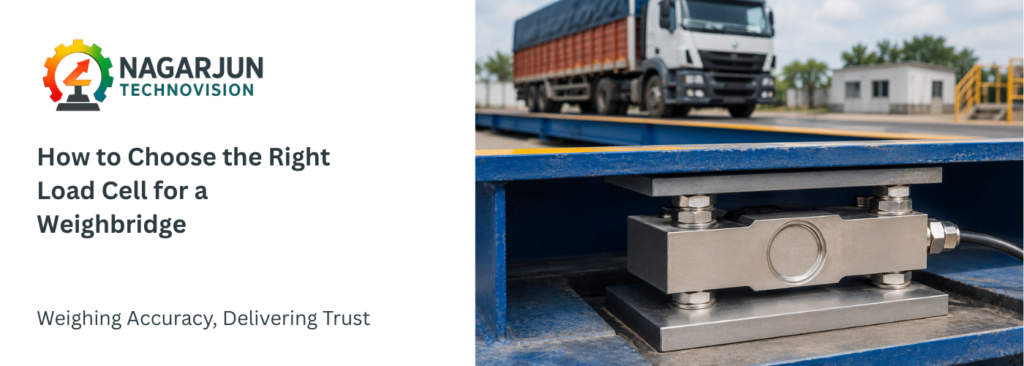
A load cell is a transducer that converts pressure or force into an electrical signal. In a weighbridge, multiple load cells are installed under the platform to measure the weight of trucks and heavy vehicles.
These signals are then processed by the weighbridge indicator or controller to display accurate weight measurements.
Why Choosing the Right Load Cell Matters
Selecting the proper load cell helps in:
- Accurate weight measurement
- Long-term reliability
- Reduced maintenance costs
- Better overload protection
- Improved operational efficiency
- Compliance with industrial standards
- Increased lifespan of the weighbridge
Wrong load cell selection can result in:
- Frequent calibration issues
- Load imbalance
- Sensor failure
- Inaccurate weighing
- Higher operational costs
Types of Load Cells Used in Weighbridges
1. Compression Load Cell
Compression load cells measure force applied vertically downward. These are the most commonly used load cells in weighbridges.
Advantages
- High accuracy
- Strong overload capacity
- Suitable for heavy-duty applications
- Durable and reliable
Best For
- Truck weighbridges
- Heavy industrial weighing
- Mining and logistics industries
2. Double-Ended Shear Beam Load Cell
These load cells are widely used in modern weighbridge systems because of their excellent resistance to side forces and environmental conditions.
Advantages
- Excellent stability
- High precision
- Better performance under uneven loading
- Long service life
Best For
- Electronic weighbridges
- High-traffic weighing stations
3. Rocker Column Load Cell
Rocker column load cells are designed for self-alignment and are commonly used in heavy-capacity weighbridges.
Advantages
- Self-restoring design
- Handles heavy loads efficiently
- Good resistance to vibration
Best For
- High-capacity industrial weighbridges
- Harsh operating environments
Factors to Consider When Choosing a Load Cell
1. Load Capacity
The first thing to consider is the maximum weighing capacity of your weighbridge.
For example:
- 40 Ton weighbridge
- 60 Ton weighbridge
- 80 Ton weighbridge
- 100 Ton weighbridge
The load cell capacity should match the weighbridge design and expected traffic load.
Important Tip
Always choose a load cell with slightly higher capacity than the expected maximum load to ensure safety and durability.
2. Accuracy Requirements
Different industries require different levels of weighing accuracy.
High Accuracy Required For:
- Pharmaceuticals
- Chemical industries
- Government-approved weighing stations
Moderate Accuracy Required For:
- Construction
- Mining
- Agriculture
Choose load cells that comply with:
- OIML standards
- IP protection standards
- Legal metrology requirements
3. Environmental Conditions
Environmental factors greatly affect load cell performance.
Consider:
- Rain and moisture
- Dust and mud
- Extreme temperatures
- Chemical exposure
- Corrosion risks
- Flood-prone areas
For outdoor weighbridges, stainless steel load cells with high IP ratings are recommended.
Recommended Protection
- IP67
- IP68
- IP69K
These provide excellent protection against water and dust.
Stainless Steel vs Alloy Steel Load Cells
| Feature | Stainless Steel | Alloy Steel |
|---|---|---|
| Corrosion Resistance | Excellent | Moderate |
| Durability | High | High |
| Cost | Higher | Lower |
| Outdoor Performance | Excellent | Good |
| Moisture Resistance | Excellent | Moderate |
Recommendation
- Use stainless steel load cells for harsh outdoor environments.
- Use alloy steel load cells for controlled industrial conditions.
Analog vs Digital Load Cells
Analog Load Cells
Traditional weighbridge systems use analog load cells.
Advantages
- Lower cost
- Simple installation
Disadvantages
- Signal interference
- Lower diagnostic capability
Digital Load Cells
Modern weighbridges increasingly use digital load cells.
Advantages
- Higher accuracy
- Better signal stability
- Easy fault detection
- Better lightning protection
- Advanced diagnostics
Best For
- Modern automated weighbridge systems
- High-accuracy applications
Importance of Load Cell Quality
Never compromise on load cell quality to save initial costs.
High-quality load cells offer:
- Better long-term stability
- Fewer failures
- Lower maintenance expenses
- Accurate readings over time
Cheap load cells may fail quickly and increase operational downtime.
How Many Load Cells Are Needed in a Weighbridge?
The number of load cells depends on:
- Platform size
- Weighbridge length
- Maximum load capacity
Common Configurations
- 4 Load Cells
- 6 Load Cells
- 8 Load Cells
A weighbridge manufacturer determines the ideal configuration based on structural design.
Signs That You Need to Replace a Load Cell
Watch for these warning signs:
- Fluctuating weight readings
- Incorrect measurements
- Frequent calibration errors
- Physical damage
- Rust or corrosion
- Uneven platform response
Regular inspection can prevent sudden failures and downtime.
Tips for Maintaining Weighbridge Load Cells
Keep the Area Clean
Remove mud, stones, and debris around the weighbridge.
Avoid Overloading
Do not exceed the maximum load capacity.
Perform Regular Calibration
Periodic calibration ensures accurate readings.
Inspect Cable Connections
Damaged cables can cause unstable signals.
Protect Against Water Accumulation
Proper drainage improves load cell lifespan.
How to Select the Best Load Cell Supplier
Choose a supplier that offers:
- Certified products
- Technical support
- Warranty coverage
- Installation assistance
- Calibration services
- Availability of spare parts
Reliable after-sales support is essential for industrial weighing systems.
Conclusion
Choosing the right load cell for a weighbridge is critical for achieving accurate, reliable, and long-lasting weighing performance. Factors such as load capacity, environmental conditions, material quality, accuracy requirements, and technology type should all be carefully evaluated before making a decision.
Investing in high-quality load cells not only improves weighing accuracy but also reduces maintenance costs and increases operational efficiency in the long run.
Whether you operate in logistics, mining, agriculture, manufacturing, or transportation, selecting the correct weighbridge load cell can significantly improve your overall industrial weighing performance.
FAQs
1. Which load cell is best for a weighbridge?
Compression and double-ended shear beam load cells are commonly considered best for weighbridge applications because of their durability and accuracy.
2. What is the lifespan of a weighbridge load cell?
A high-quality load cell can last 8–15 years depending on usage, maintenance, and environmental conditions.
3. Are digital load cells better than analog load cells?
Yes, digital load cells generally offer better accuracy, advanced diagnostics, and improved resistance to signal interference.
4. How often should weighbridge load cells be calibrated?
Most weighbridges should be calibrated every 6 to 12 months or according to legal metrology regulations.
5. What causes load cell failure?
Common causes include overloading, water damage, corrosion, cable damage, lightning, and improper installation.