
Introduction
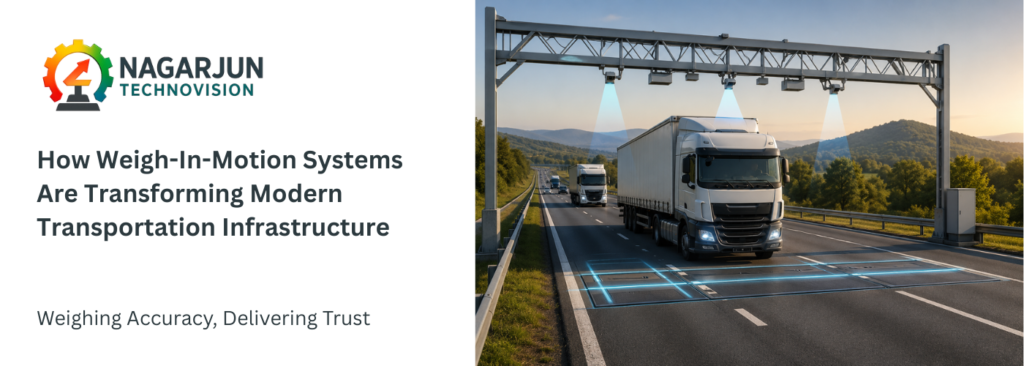
How Weigh-In-Motion Systems Are Transforming Modern Transportation Infrastructure is becoming increasingly important for governments, transportation authorities, and logistics operators. As freight movement continues to grow, Weigh-In-Motion (WIM) systems provide accurate vehicle weight data without interrupting traffic flow. By helping agencies improve road safety, reduce infrastructure damage, and optimize transportation networks, these systems are reshaping the future of modern transportation infrastructure.
One technology that is playing a critical role in addressing these challenges is the Weigh-In-Motion (WIM) System. Unlike traditional static weighing methods, WIM systems measure vehicle weight while the vehicle remains in motion, eliminating the need for vehicles to stop for inspection.
As countries move toward smart transportation networks and intelligent traffic management systems, WIM technology has become an essential tool for modern infrastructure development. From preventing road damage caused by overloaded vehicles to improving logistics efficiency, WIM systems are transforming the way transportation networks are monitored and managed.
What is a Weigh-In-Motion (WIM) System?
A Weigh-In-Motion system is an advanced vehicle weighing solution that determines the weight of moving vehicles without interrupting traffic flow.
The system typically consists of:
- Road-embedded sensors
- Data acquisition units
- Vehicle classification technology
- Cameras for license plate recognition
- Communication and reporting software
As a vehicle passes over the sensors, the system records:
- Gross vehicle weight
- Individual axle weights
- Vehicle speed
- Vehicle classification
- Axle spacing
- Direction of travel
The collected data is processed in real time and transmitted to central monitoring systems for analysis and enforcement purposes.
The Growing Need for WIM Systems
Modern transportation networks face several critical challenges:
Increasing Freight Traffic
The expansion of e-commerce, manufacturing, and logistics industries has led to a dramatic increase in heavy commercial vehicle traffic.
Road Infrastructure Damage
Overloaded trucks are among the primary causes of premature pavement deterioration, leading to expensive repairs and reduced road lifespan.
Traffic Congestion
Traditional weigh stations often create bottlenecks and delays, affecting transportation efficiency.
Safety Concerns
Overloaded vehicles have longer stopping distances, increased tire wear, and a higher risk of accidents.
WIM systems address these challenges by providing continuous and automated weight monitoring without disrupting traffic movement.
Key Ways WIM Systems Are Transforming Transportation Infrastructure
1. Protecting Roads and Bridges from Overloading
One of the most significant benefits of WIM technology is its ability to detect overloaded vehicles before they cause extensive infrastructure damage.
Research consistently shows that pavement damage increases exponentially as axle loads exceed legal limits. Even a small increase in axle weight can dramatically reduce road lifespan.
WIM systems help authorities:
- Identify overloaded vehicles instantly
- Enforce weight regulations
- Reduce road deterioration
- Extend pavement lifespan
- Lower maintenance costs
By protecting roads and bridges, transportation agencies can allocate maintenance budgets more effectively.
2. Enhancing Road Safety
Vehicle overloading is a major contributor to road accidents.
Overloaded trucks often experience:
- Reduced braking efficiency
- Tire failures
- Suspension damage
- Reduced vehicle stability
- Increased rollover risk
WIM systems enable authorities to identify unsafe vehicles in real time and take corrective action before accidents occur.
Benefits include:
- Safer highways
- Reduced accident rates
- Improved compliance among transport operators
- Better protection for road users
3. Supporting Smart Transportation Systems
Smart cities depend on accurate and real-time transportation data.
WIM systems provide valuable information that can be integrated into:
- Intelligent Transportation Systems (ITS)
- Smart traffic management platforms
- Digital highway monitoring systems
- Transportation planning software
This data helps transportation authorities make informed decisions regarding:
- Traffic flow optimization
- Infrastructure expansion
- Freight route planning
- Road maintenance scheduling
4. Improving Freight and Logistics Efficiency
Efficient logistics operations are critical for economic growth.
WIM systems allow logistics companies to:
- Monitor fleet loading practices
- Prevent overloading penalties
- Improve route planning
- Enhance operational efficiency
- Reduce fuel consumption
By ensuring vehicles operate within legal weight limits, organizations can optimize transportation costs while maintaining regulatory compliance.
5. Reducing Traffic Congestion
Traditional weigh stations often require vehicles to stop, causing delays and traffic queues.
WIM systems eliminate these disruptions by:
- Weighing vehicles at highway speeds
- Reducing inspection delays
- Maintaining smooth traffic flow
- Improving travel time reliability
This is particularly important on major freight corridors where traffic congestion can have significant economic impacts.
6. Enabling Automated Enforcement
Modern WIM systems are increasingly integrated with:
- Automatic Number Plate Recognition (ANPR)
- Surveillance cameras
- Enforcement databases
- Electronic ticketing systems
These integrations enable authorities to automatically identify violators and streamline enforcement processes.
Benefits include:
- Improved compliance rates
- Reduced manpower requirements
- Faster enforcement actions
- Increased transparency
7. Supporting Infrastructure Planning
Transportation agencies rely on accurate traffic data to make infrastructure investment decisions.
WIM systems provide detailed information about:
- Vehicle types
- Traffic volume
- Axle load distribution
- Freight movement patterns
This data supports:
- Highway design
- Bridge engineering
- Capacity planning
- Future expansion projects
As a result, infrastructure investments can be based on actual traffic conditions rather than assumptions.
Applications of WIM Systems in Modern Infrastructure
Highways and Expressways
WIM systems help monitor freight traffic and enforce weight regulations on major transportation routes.
Toll Roads
Many toll operators use WIM technology to classify vehicles accurately and improve toll collection efficiency.
Ports and Logistics Hubs
WIM systems assist in managing heavy freight movements while ensuring compliance with transportation regulations.
Industrial Zones
Manufacturing facilities and industrial parks use WIM systems to monitor incoming and outgoing truck loads.
Smart Cities
Urban transportation authorities integrate WIM data into citywide traffic management platforms to improve mobility and infrastructure planning.
Emerging Trends in WIM Technology
Artificial Intelligence Integration
AI-powered analytics are helping transportation agencies predict infrastructure wear and identify traffic patterns more accurately.
Cloud-Based Monitoring
Cloud platforms enable centralized monitoring of multiple WIM installations from a single location.
Real-Time Data Analytics
Advanced software allows authorities to access instant reports and performance dashboards.
Integration with Smart Infrastructure
Future transportation networks will increasingly combine WIM systems with:
- IoT sensors
- Connected vehicles
- Smart traffic signals
- Digital enforcement platforms
These integrations will further enhance transportation efficiency and safety.
Challenges and Considerations
While WIM technology offers significant benefits, successful implementation requires:
Proper Installation
Sensor placement and road surface conditions directly impact system accuracy.
Regular Calibration
Routine calibration ensures consistent and reliable measurements.
Data Management
Large volumes of traffic data require effective storage and analysis solutions.
Environmental Factors
Temperature changes, pavement conditions, and weather can influence sensor performance if not properly managed.
With proper maintenance and calibration, modern WIM systems can deliver highly accurate and dependable performance over many years.
The Future of Transportation Infrastructure with WIM Systems
As transportation networks become more connected and data-driven, WIM systems will continue to play a crucial role in infrastructure management.
Future developments are expected to include:
- Fully automated weight enforcement
- AI-driven traffic analytics
- Smart highway integration
- Predictive maintenance planning
- Connected vehicle ecosystems
These advancements will help governments and transportation agencies build safer, more efficient, and more sustainable transportation networks.
Conclusion
Weigh-In-Motion systems are transforming modern transportation infrastructure by providing accurate, real-time vehicle weight data without disrupting traffic flow. From protecting roads and bridges to enhancing road safety, improving logistics efficiency, reducing congestion, and enabling smart transportation management, WIM technology has become a cornerstone of modern infrastructure development.
As countries continue investing in intelligent transportation systems and smart city initiatives, the adoption of advanced WIM solutions will accelerate, helping transportation authorities make data-driven decisions while ensuring safer and more sustainable road networks for the future.
FAQs
1. What is a Weigh-In-Motion (WIM) system?
A Weigh-In-Motion system is a technology that measures the weight of moving vehicles without requiring them to stop, enabling efficient traffic monitoring and overload detection.
2. How does a WIM system improve road safety?
WIM systems identify overloaded vehicles that may pose safety risks, helping authorities enforce weight regulations and reduce accident rates.
3. Why are overloaded vehicles harmful to roads?
Overloaded vehicles create excessive stress on pavements and bridges, accelerating deterioration and increasing maintenance costs.
4. Can WIM systems operate at highway speeds?
Yes, modern WIM systems are designed to measure vehicle weights accurately while vehicles travel at normal highway speeds.
5. How do WIM systems support smart cities?
They provide real-time traffic and freight data that can be integrated into intelligent transportation systems for better planning and traffic management.
6. What industries benefit from WIM technology?
Transportation, logistics, tolling, ports, mining, construction, manufacturing, and government infrastructure agencies all benefit from WIM systems.
7. What is the future of WIM technology?
Future WIM systems will incorporate artificial intelligence, cloud analytics, IoT connectivity, and automated enforcement to create smarter and safer transportation networks.