
Introduction
WIM Accuracy Standards are essential for ensuring reliable vehicle weight measurements in modern transportation systems. As freight traffic continues to increase, highway authorities and logistics operators rely on Weigh-In-Motion (WIM) systems to monitor vehicle weights without interrupting traffic flow. Understanding WIM accuracy standards helps organizations improve compliance, protect road infrastructure, and collect dependable traffic data.
However, the effectiveness of a WIM system depends largely on its accuracy. Accurate weight measurements are critical for identifying overloaded vehicles, enforcing regulations, collecting reliable traffic data, and protecting road infrastructure from excessive wear and damage. This is where accuracy standards for Weigh-In-Motion systems play a vital role.
In this article, we will explore the importance of WIM accuracy, key international standards, factors affecting measurement precision, and best practices for maintaining high-performance WIM systems.
What Is a Weigh-In-Motion System?
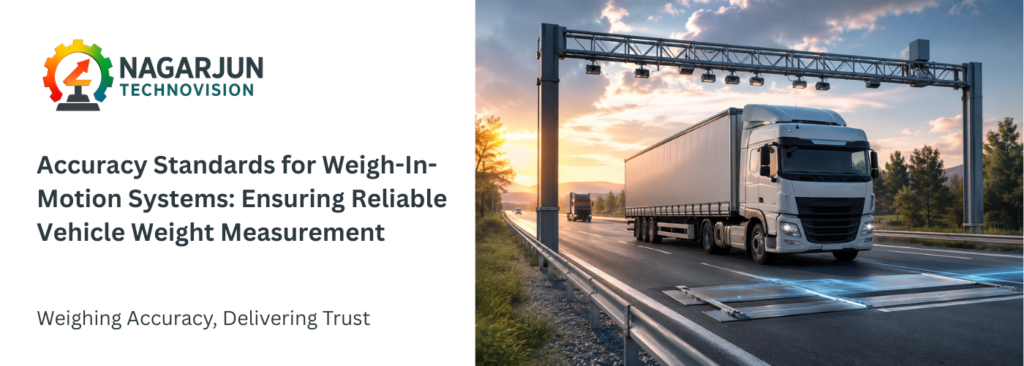
A Weigh-In-Motion (WIM) system is a technology designed to measure the weight of vehicles while they are moving at normal traffic speeds. Unlike conventional weighbridges that require vehicles to stop, WIM systems use sensors embedded in the roadway to capture axle loads, gross vehicle weight (GVW), vehicle classification, speed, and traffic data.
WIM systems are widely used for:
- Overload enforcement
- Highway infrastructure protection
- Traffic monitoring and planning
- Toll collection systems
- Freight management
- Transportation research
The accuracy of these measurements directly influences the effectiveness of these applications.
Why Accuracy Matters in Weigh-In-Motion Systems
Accurate weight measurements are essential for several reasons:
Road Infrastructure Protection
Overloaded vehicles significantly accelerate pavement deterioration, bridge fatigue, and structural damage. Accurate WIM systems help authorities identify violators and reduce maintenance costs.
Regulatory Enforcement
Many governments use WIM technology for weight compliance programs. Incorrect measurements may lead to unfair penalties or failure to identify overloaded vehicles.
Data Reliability
Transportation planners rely on WIM-generated traffic data to make informed decisions regarding infrastructure investments and road development projects.
Operational Efficiency
Logistics companies use WIM data to optimize vehicle loading, improve fleet efficiency, and reduce operational risks.
International Accuracy Standards for WIM Systems
Several organizations have established standards and guidelines to evaluate and classify WIM system performance.
COST 323 Standard
One of the most widely recognized standards for WIM systems is the COST 323 European Specification.
The COST 323 framework classifies WIM systems based on their measurement accuracy under different operating conditions.
The accuracy classes include:
| Accuracy Class | Typical Error Range |
|---|---|
| A(5) | ±5% |
| B+(7) | ±7% |
| B(10) | ±10% |
| C(15) | ±15% |
| D+(20) | ±20% |
| D(25) | ±25% |
| E(35) | ±35% |
Higher accuracy classes indicate better system performance and greater reliability for enforcement applications.
ASTM Standards
The American Society for Testing and Materials (ASTM) provides guidelines and testing procedures for WIM systems in the United States.
These standards focus on:
- Sensor performance
- Calibration procedures
- Data quality requirements
- System validation methods
- Environmental testing
ASTM guidelines help ensure consistency and reliability across different WIM installations.
OIML Recommendations
The International Organization of Legal Metrology (OIML) provides recommendations for weighing instruments used in legal and commercial applications.
Although WIM-specific regulations vary by country, OIML principles influence:
- Measurement traceability
- Calibration requirements
- Legal compliance
- Accuracy verification procedures
Key Accuracy Parameters in WIM Systems
Several performance indicators determine whether a WIM system meets required standards.
Gross Vehicle Weight Accuracy
This measures how closely the WIM system estimates the total vehicle weight compared to a certified static scale.
Axle Load Accuracy
Axle weight measurement is often more challenging than total vehicle weight measurement because individual axle loads are affected by vehicle dynamics.
Vehicle Classification Accuracy
Accurate classification ensures correct identification of vehicle types based on axle configuration and spacing.
Speed Measurement Accuracy
Vehicle speed directly affects weight calculations. Precise speed measurement is necessary to maintain overall system accuracy.
Data Availability
A reliable WIM system should consistently collect and transmit usable data with minimal downtime.
Factors Affecting WIM Accuracy
Several variables can influence measurement performance.
Vehicle Speed
Changes in vehicle speed can alter axle dynamics and impact sensor readings.
Suspension Characteristics
Different vehicle suspension systems create varying dynamic forces that affect weight measurements.
Road Surface Conditions
Uneven pavement, rutting, cracks, and surface wear can significantly reduce system accuracy.
Sensor Technology
The type and quality of sensors used play a major role in measurement precision.
Common sensor types include:
- Quartz sensors
- Piezoelectric sensors
- Bending plate sensors
- Load cell-based sensors
Environmental Conditions
Temperature fluctuations, moisture, snow, and heavy rainfall can impact sensor performance and measurement consistency.
Traffic Conditions
Heavy traffic and lane-changing behavior may affect data quality and measurement reliability.
Calibration Requirements for Accurate WIM Performance
Regular calibration is essential for maintaining compliance with accuracy standards.
Initial Calibration
After installation, the system is calibrated using reference vehicles with known weights measured on certified static scales.
Periodic Verification
Routine testing ensures that sensor drift and environmental changes have not affected system performance.
Dynamic Calibration
Some advanced WIM systems support continuous self-monitoring and dynamic calibration adjustments.
Legal Compliance Checks
Many jurisdictions require periodic certification and verification to maintain enforcement-grade accuracy.
Best Practices for Maintaining WIM Accuracy
Organizations can improve long-term performance by following several best practices.
Conduct Regular Maintenance
Routine inspections help identify sensor wear, cable damage, and pavement issues before they affect measurement accuracy.
Monitor Pavement Quality
Maintaining smooth road surfaces around the sensor area minimizes dynamic vehicle movement.
Perform Scheduled Calibration
Calibration intervals should follow manufacturer recommendations and local regulatory requirements.
Use High-Quality Sensors
Premium sensor technologies typically provide better long-term stability and accuracy.
Analyze Data Trends
Continuous monitoring of measurement data can help detect anomalies and performance degradation early.
Train Technical Personnel
Properly trained operators and maintenance teams play a crucial role in ensuring reliable system operation.
Accuracy Requirements for Different Applications
Different WIM applications require varying levels of accuracy.
Traffic Data Collection
For traffic studies and planning purposes, moderate accuracy may be sufficient.
Screening Operations
WIM systems used for pre-screening overloaded vehicles generally require higher accuracy levels.
Direct Enforcement
When WIM systems are used for automatic enforcement and issuing penalties, the highest accuracy classes and strict certification requirements are necessary.
Future Trends in WIM Accuracy Improvement
Technological advancements continue to improve WIM system performance.
Emerging developments include:
- AI-based weight correction algorithms
- Advanced quartz sensor technology
- Machine learning for calibration optimization
- Real-time system diagnostics
- Smart transportation network integration
- Cloud-based monitoring platforms
- Enhanced environmental compensation techniques
These innovations are helping WIM systems achieve greater precision and reliability than ever before.
Conclusion
Accuracy is the foundation of any successful Weigh-In-Motion system. Whether the goal is traffic monitoring, overload enforcement, tolling, or infrastructure protection, reliable weight measurements are essential for making informed decisions and maintaining compliance.
International standards such as COST 323, ASTM guidelines, and OIML recommendations provide valuable frameworks for evaluating and maintaining WIM performance. By selecting high-quality equipment, following proper calibration procedures, and implementing regular maintenance programs, organizations can ensure their WIM systems consistently deliver accurate and dependable results.
As transportation networks continue to evolve, adherence to established accuracy standards will remain critical for maximizing the benefits of Weigh-In-Motion technology while protecting road infrastructure and improving traffic management efficiency.
FAQ’s
1. What is the accuracy of a Weigh-In-Motion (WIM) system?
The accuracy of a Weigh-In-Motion system depends on factors such as sensor technology, vehicle speed, road conditions, and calibration. Modern WIM systems can achieve accuracy levels ranging from ±5% to ±15% under optimal conditions.
2. What is the COST 323 standard for WIM systems?
COST 323 is a widely recognized European specification that classifies Weigh-In-Motion systems based on their measurement accuracy. It defines accuracy classes such as A(5), B+(7), B(10), and C(15) to evaluate system performance.
3. Why is calibration important for Weigh-In-Motion systems?
Calibration ensures that a WIM system provides accurate and reliable weight measurements. Regular calibration helps compensate for sensor drift, environmental changes, and wear, maintaining compliance with accuracy standards.
4. What factors affect Weigh-In-Motion accuracy?
Several factors can affect WIM accuracy, including vehicle speed, suspension characteristics, road surface quality, sensor type, traffic conditions, and environmental factors such as temperature and moisture.
5. Can Weigh-In-Motion systems be used for legal enforcement?
Yes, some high-accuracy Weigh-In-Motion systems are certified for direct weight enforcement. However, they must meet specific regulatory requirements and accuracy standards established by local authorities.
6. How often should a Weigh-In-Motion system be calibrated?
Calibration frequency depends on system usage, environmental conditions, and regulatory requirements. Most experts recommend periodic verification and calibration at regular intervals to ensure consistent performance.
7. What are the benefits of accurate Weigh-In-Motion systems?
Accurate WIM systems help prevent overloading, protect road infrastructure, improve traffic monitoring, support regulatory compliance, and provide reliable data for transportation planning and fleet management.